





Description
Designated Chemical Disclosure
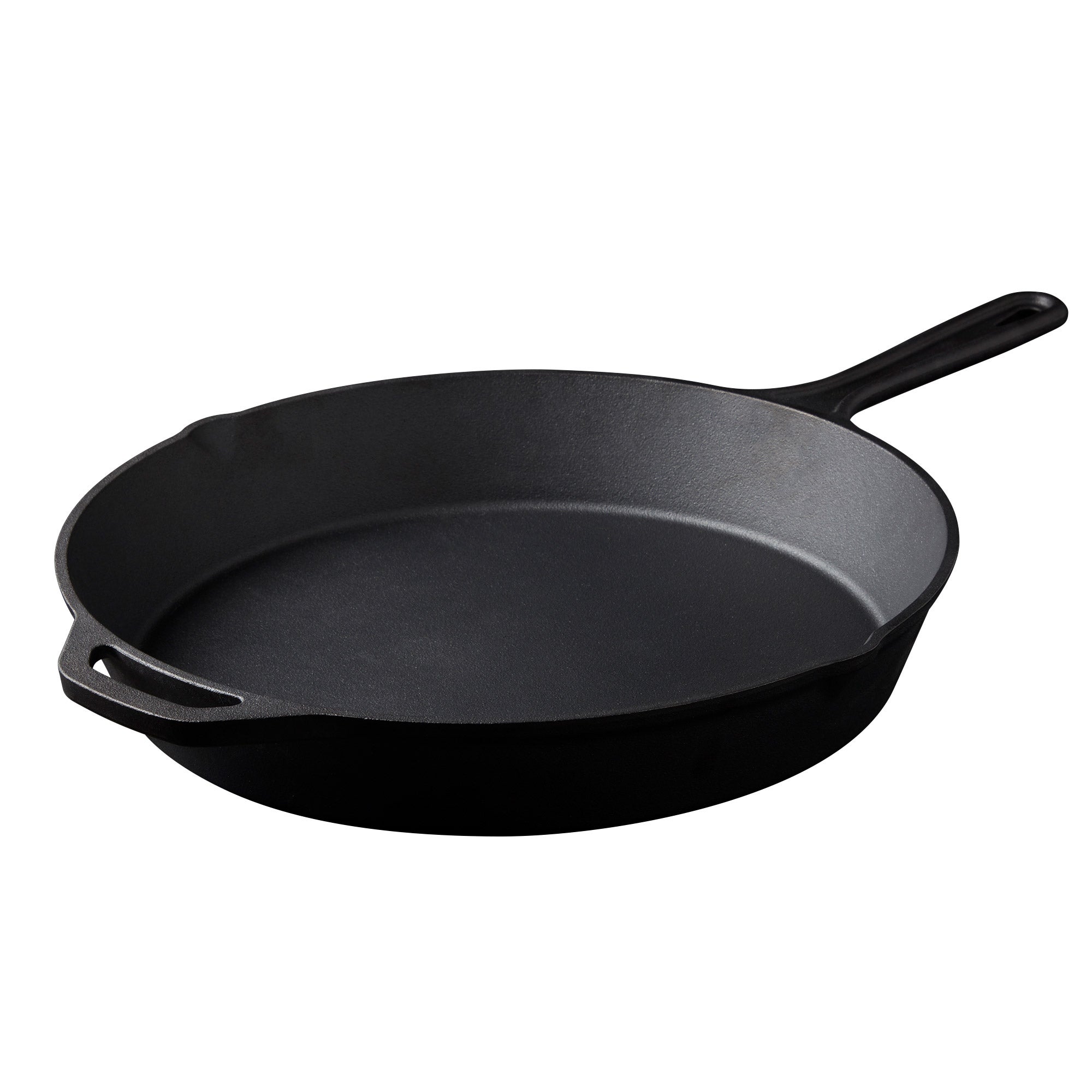
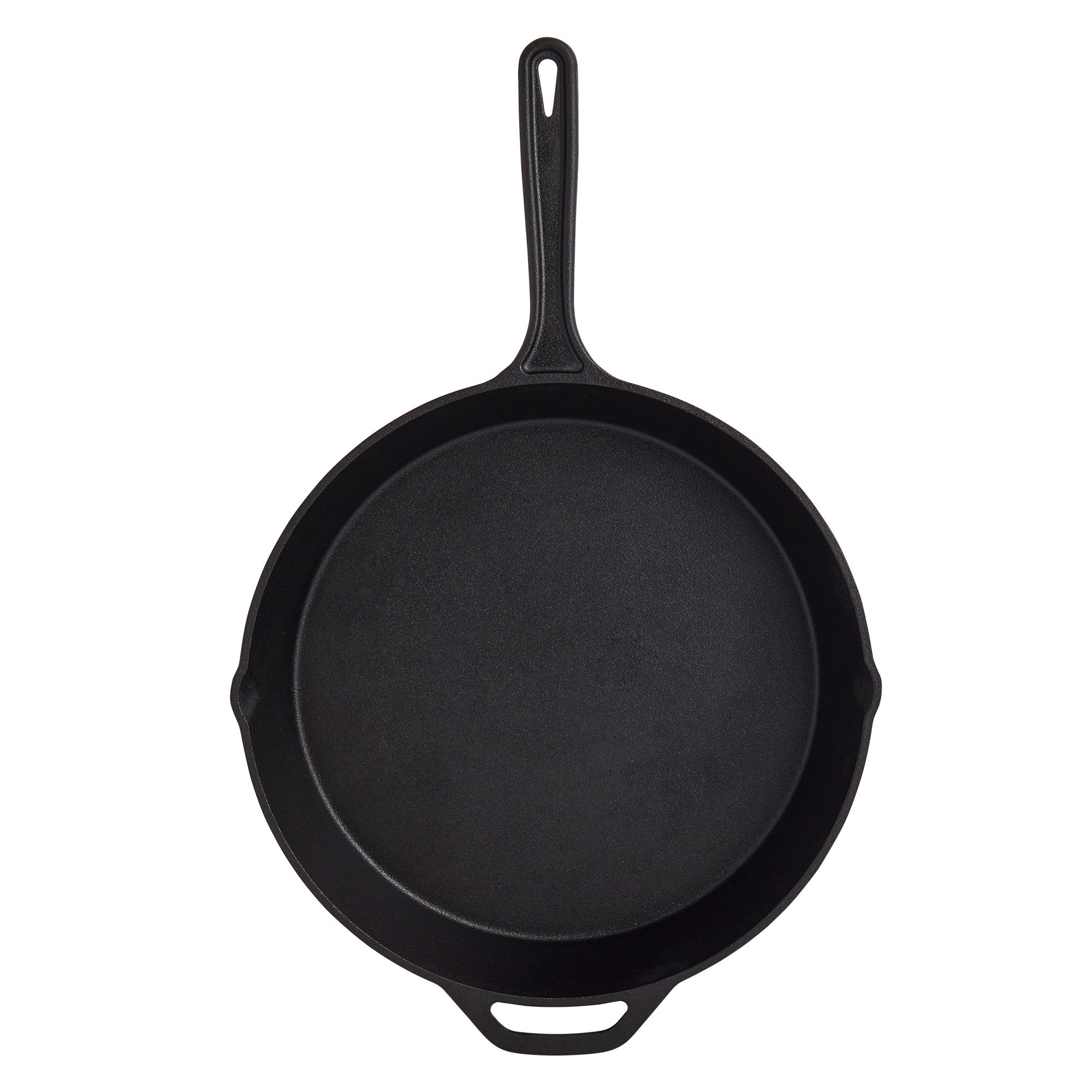
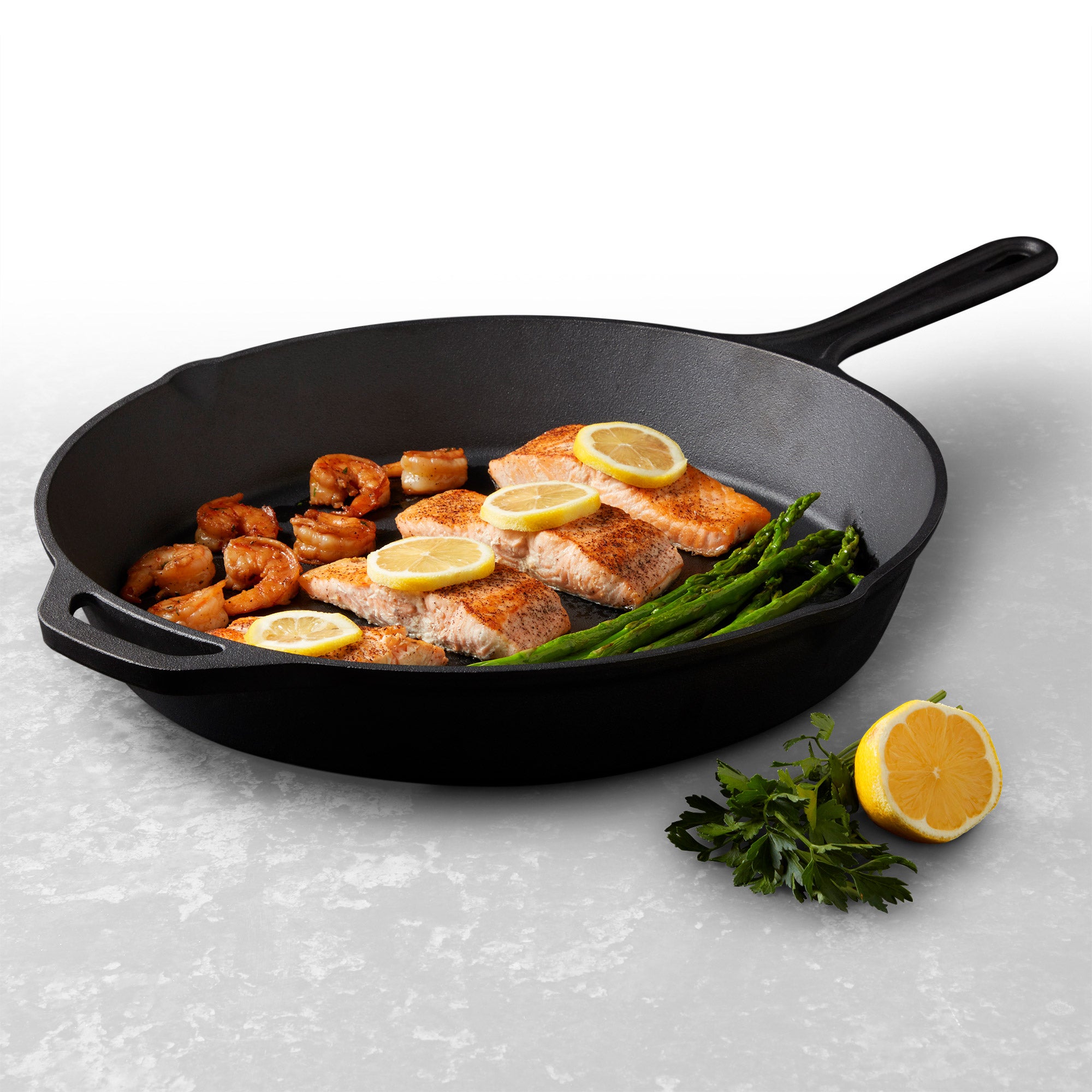
Smith & Clark 15-inch cast iron skillet features a pre-seasoned coating for a natural and easy food release. The skillet also comes with an assist handle.
Includes:
(1) 15″ Pre-Seasoned Cast Iron Skillet
Features:
Metal utensil safe
Made in:
China
Care Instructions:
Before First Use
Remove all labels and hand wash with warm water. Rinse and dry thoroughly with a soft cloth.
Stovetop & Oven Use
-
Designed for use with electric, gas, ceramic, and glass stovetops, as well as induction stoves.
-
Always use a small amount of cooking oil before each use.
-
Always preheat cast iron for increased non-stick performance.
-
If the cookware is scratched and the pre-seasoned layer is removed, the cast iron must be seasoned again. (see re-seasoning instructions below).
-
Avoid sliding or dragging cookware across the stovetop as external cosmetic scratches may occur.
-
Oven, broiler, and grill safe. Use caution when handling.
Cleaning:
-
Hand wash and hand dry only.
-
Do not soak cast iron cookware.
-
To clean, wash with warm water. Rinse and immediately dry thoroughly.
-
Do not allow cookware to air dry. Towel dry immediately after each wash.
-
Going for an extended period of time without cleaning the cookware may result in an accumulation of dust. This can form grime that is hard to wipe off later.
-
To remove hard grime, scrub cookware with an abrasive sponge or plastic scrubbing pad, then re-season cookware. (follow re-seasoning instructions detailed below).
-
To protect pre-seasoned coating and prevent removing the seasoning, do not use abrasive cleaners or detergents with degreasing action. (If seasoning is removed, follow re-seasoning instructions below).
-
Do not use steel wool scrubbing pads.
-
Do not use bleach.
-
Do not use oven cleaners.
How to Season Your Cast Iron Skillet:
-
STEP 1: Wash your cast iron with warm water. It’s generally not recommended to use soap or steel wool as these can remove the seasoning layers on your cast iron.
-
STEP 2: Dry thoroughly. Make sure your cast iron is clean and thoroughly dry by wiping it with a paper towel or a lint-free cloth towel. TIP: You can also place on the stovetop on low heat for a few minutes to ensure it’s totally dry.
-
STEP 3: Season your cast iron with oil. Apply a thin layer of cooking oil to the entire surface of your cast iron cookware. Wipe it across the product with a paper towel or lint-free cloth towel until it’s completely coated. (Note: make sure to coat everywhere, even non-cooking areas like the exterior, as non-seasoned cast iron will develop rust over time).
-
STEP 4: Bake for 2 hours at 350°F. We suggest putting a baking sheet or lining aluminum foil on a rack beneath your cast iron to catch any oil dripping off the product. TIP: Flip your cast iron cookware upside down to avoid oil pooling in certain areas and to help it cook evenly!
-
STEP 5: Let cool. Turn off your oven and let your cast iron cookware cool in the oven. This further allows your seasoning layer to cure onto the cast iron.
-
STEP 6: Repeat. We recommend repeating this process to add more layers of seasoning onto your cast iron cookware especially after each use.
Cooking Utensils:
-
Do not stab the cooking surface with a sharp point or cut food while in the cookware.
-
Do not use electric utensils such as mixers or sharp-edged utensils such as knives.
Warning:
-
Cast iron is not microwave safe.
-
Cast iron is not dishwasher safe.
-
Do not allow cookware to boil dry.
-
Always hand wash and dry completely before storing.
-
Always use pot holders or oven mitts because the handles will get hot.
-
Before washing, always allow the cookware to cool to room temperature.
For product related questions please contact Tabletops Unlimited at 1-800-497-4959
Note: The digital images we display have the most accurate color possible. However, due to differences in computer monitors, there may be variations in color between the actual product and your screen.
Certain states require the disclosure of designated chemicals intentionally added to certain products. Below is information about the designated chemicals in this product.
| State | Designated Chemical(s) | Further Information |
|---|---|---|
| CA | Iron | CWA303(d) |
| CA | Manganese and manganese compounds | ATSDRNeurotoxicants;CANLs;CATACs;CDC4thNationalExposureReport;CWA303(d);IRISNeurotoxicants;OEHHARELs |
| CA | Phosphorus | CATACs;CWA303(d) |



30 reviews for Smith & Clark 15” Pre-Seasoned Cast Iron Skillet